
Salon Management × Data Analysis
Salon Closures Reach a 20-Year High: Why Is Salon Management Collapsing Now?
Hair-salon bankruptcies have set a new record — yet in an era that increasingly favors the solo operator, what did the surviving salons change? Setting emotion aside, this piece analyzes the structural causes behind the failures using the data, and lays out a concrete management strategy that independent and small salons can use to protect their margins.
Status Quo
Caught in a triple bind of rising costs, labor shortages and price competition — revenue comes in, but no profit is left over.
After Strategy
A high-price, low-headcount, retail-driven “solo-operator” model that pulls the break-even point down.
01Salon Bankruptcies Set a New Record — the Numbers Behind the Industry’s Reality
According to research by Teikoku Databank, hair-salon bankruptcies during fiscal 2024 (April 2024–March 2025) — legal insolvencies with liabilities of ¥10 million or more — reached 197 cases as of February, surpassing the previous full-year total of 182 and setting an all-time high.
Meanwhile, the beauty-salon market as a whole reached ¥1.3884 trillion in the first half of 2025 (up 2.5% year on year) — its largest scale in five years. The market is growing, yet bankruptcies are rising. This contradiction doesn’t mean “everyone is sinking.” It means the gap between the winners and the losers is widening fast.
02The “Triple Bind” That Drives Salons Under
In the past, the leading cause of failure was almost always weak sales — customers simply not coming in. The recent pattern is different: a growing number of salons are giving up despite holding on to their customer base, because no profit is coming through.
The weight of rising costs
Beauty-industry materials have risen 14–16% over five years. Add higher minimum wages, fixed-cost increases from expanded social-insurance coverage, and the start of repayments on pandemic-era zero-interest loans — and a growing number of salons find themselves in a state where the revenue exists but the cash doesn’t stay.
The vicious cycle of labor shortage
Among the salon failures in 2025, cases were reported in which a labor shortage was the direct trigger. Wage costs climb as salons fight to retain stylists who bring in customers, and there’s no end to newcomers leaving mid-training after the salon has invested in developing them. With freelance stylists and shared salons on the rise, existing shops are losing revenue and talent at the same time.
The quagmire of price competition
Japan now has 274,000 registered salons — an all-time high, roughly five times the number of convenience stores. In this oversupply, discount wars via coupon sites have become the norm: the national average haircut price in FY2024 was about ¥3,700, a rise of only around 4% over five years. A structure in which prices can’t be raised to match cost increases keeps squeezing margins.
03Why the “Solo Operator” Has the Advantage
Dig into the bankruptcy data and an interesting fact emerges. Salons with capital under ¥5 million and fewer than five employees account for roughly 90% of all failures — while the “one-person salon” of around 30 square meters, which carries little debt, often doesn’t even appear in the bankruptcy statistics.
In other words, the highest risk sits with the salon of “in-between” size. The conventional model — employing three to five staff, paying rent, and running acquisition ads continuously — is the most vulnerable to the shift in cost structure.
| Factor | Conventional salon (~5 staff) | Solo operator (1–2 people) |
|---|---|---|
| Fixed costs | Rent + several salaries + ad spend = ¥1M+ / month | Small unit or shared salon = ¥200k–400k / month |
| Break-even point | Requires ¥2M+ in monthly sales | Profitable at ¥500k–800k monthly sales |
| Labor-shortage risk | Staff departure = immediate revenue drop | Your own skill is the product — no outflow risk |
| Pricing power | Easily dragged into coupon wars | Price set by “I want this person to cut my hair” |
| Profit margin | 10–15% (industry average) | 30–50% is realistic |
04Putting Value Into Words So a Price Increase Is Accepted
The most important thing for escaping price competition isn’t a bare price rise — it’s the ability to tell customers why the price is what it is.
Research by the Hot Pepper Beauty Academy shows that the higher a salon’s price band (average spend of ¥10,001 or more per customer), the more open its customers are to price increases. The reason: those customers care about a value only that salon offers — its technique, its service, its people.
Here are three steps for putting that value into words.
- Talk about the “future,” not the “feature.” Not “it contains ceramides for high moisture retention,” but “you’ll look forward to seeing yourself in the mirror tomorrow morning.” What the customer is buying isn’t the ingredient — it’s the changed version of themselves.
- Show the basis in numbers. Instead of a vague “it’s good somehow,” make the change objective and visible with AI skin diagnostics and before-and-after data.
- Make the consultation a “ritual.” A careful pre-service consultation that conveys value is what builds acceptance of the full, standard price.
05Build a Second Revenue Pillar With Retail
A business that depends on service revenue alone has a ceiling, because sales are tied to staff working hours. In an era of labor shortage, that structure is fatal.
According to the Ministry of Economy, Trade and Industry’s “Overview of the Esthetics Industry,” retail accounts for about 33.7% of esthetic-salon sales. At successful salons, that share reaches 40–50%.
Unlike services, retail doesn’t depend on staff hours. Carrying salon-exclusive products creates the added value of “you can only buy it here,” which also becomes a reason for customers to return.
For independent and small salons in particular, retail is the most realistic way to break through the sales ceiling without hiring anyone.
Three keys to succeeding with retail
- Design it into the service flow. Build a natural way to introduce products across the arc of consultation → service → recommendation. The point is to offer them as “a professional’s prescription,” not a hard sell.
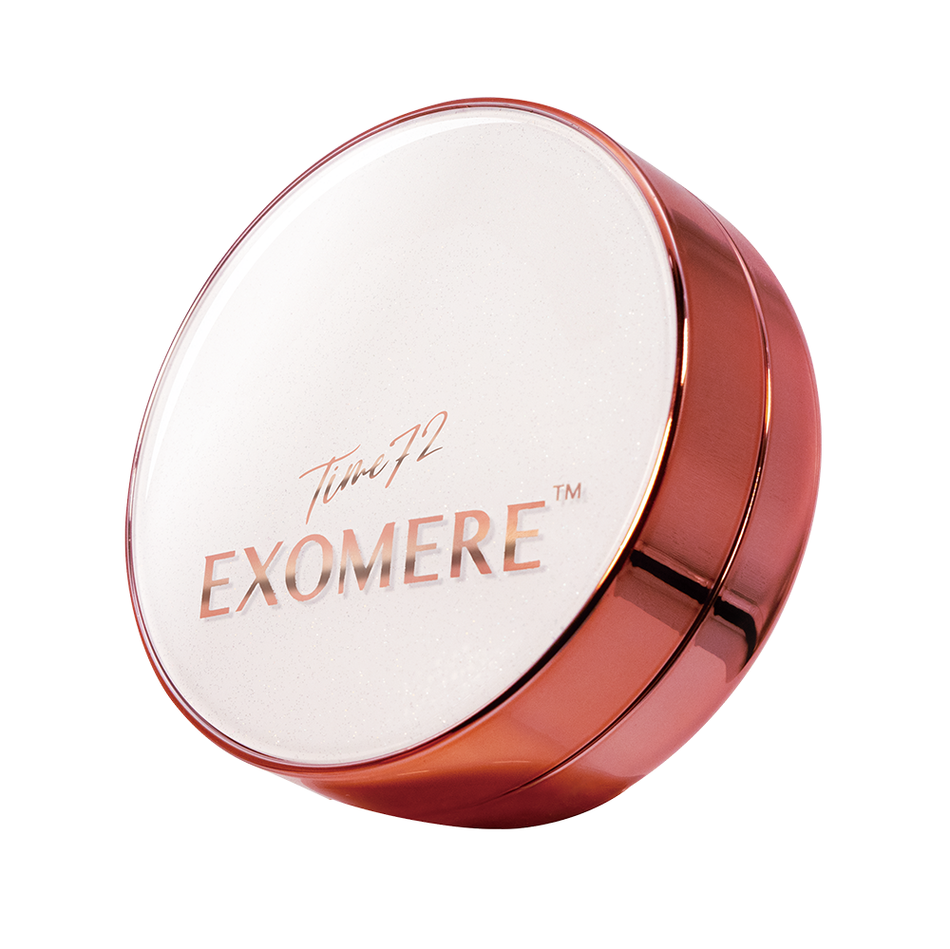
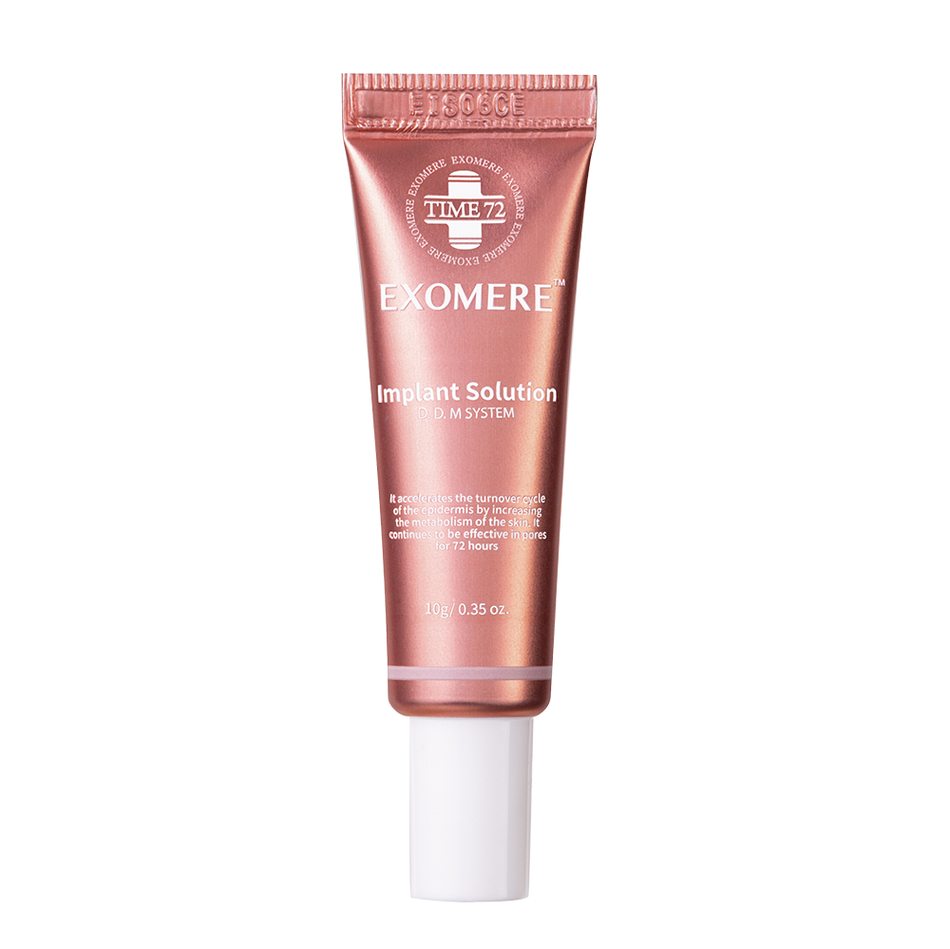
- Differentiate with salon-exclusive products. Carrying the same items sold in stores drags you into price competition. Anchoring on salon-exclusive products that “can’t be found anywhere else” wins both a reason to visit and retail revenue.
- Pair it with e-commerce. In-store sales are limited to business hours. Adding an online store creates a 24/7/365 sales channel, securing revenue even while you’re closed.
BI-PRO for Salon Owners
Make sourcing salon-exclusive products simpler.
BI-PRO is a B2B e-commerce platform delivering carefully selected salon-exclusive brands at wholesale prices. Start with a free account to check wholesale pricing and the full range.
Create a free account →For salon owners and licensed practitioners only.
06Market Outlook From 2026 — Where the Growth Segments Are
Even as bankruptcies rise, there are segments in clear growth. Use them as a guide for where to invest in the decisions ahead.
Men’s beauty: no longer a “niche segment”
Men’s use of beauty salons is expanding across every category. Demand for brow care, facials and head spas is surging in particular, and men tend to prioritize clear, simple pricing and time efficiency. Introducing a men’s menu is the shortest route to reaching a new customer base.
Relaxation: the most energetic field
Clothed treatments (deep-tissue massage, body work, dry head spa) recorded the highest growth in male usage, up 14.9% year on year. Per-treatment prices are high and repeat rates tend to be stable.
The spread of salon DX
In the Hot Pepper Beauty Academy’s 2026 survey, digital transformation is shifting from “nice to have” to “a basic criterion when choosing a salon.” Cashless payment, unified booking management and digital records are no longer options — they are essential infrastructure.
07In Summary — an Action Framework You Can Start Today
The record number of salon bankruptcies doesn’t signal the industry’s “end.” It signals a “change of the rules.” The old “thin-margin, high-volume, headcount-expansion” model has collapsed, and an era has arrived in which the solo-operator model — high price, small team, retail — dominates on margin.
- Lower the break-even point. Review fixed costs and secure a cash buffer that lets you hold on for three months even with no sales.
- Find the courage to raise prices. Not a price hike, but “putting value into words.” Create the reason a customer wants to pay.
- Make retail a revenue pillar. Salon-exclusive products × e-commerce secures revenue that isn’t tied to service hours.
- Invest in the growth segments. Direct your resources toward expanding areas — men’s beauty, relaxation, eye beauty.
- Make DX the default. Put booking management, customer data and cashless payment in place, and raise productivity.
Don’t fear change; make decisions grounded in data. That is the greatest weapon of the salon owner who survives this age of consolidation.
Next Step
Start by building your “retail pillar.”
BI-PRO supports salon owners end to end — from sourcing salon-exclusive products to the know-how of in-salon retail. Check wholesale pricing and the product range with a free account.
Create a free account (see wholesale prices) →Registration takes about one minute.
Sources & Reference Data
- Teikoku Databank, “Hair-Salon Bankruptcy Trends (FY2024)”
- Hot Pepper Beauty Academy, “Beauty Census, First Half 2024”
- Hot Pepper Beauty Academy, “Survey on Attitudes and Realities of Salon DX (2026)”
- Ministry of Economy, Trade and Industry (METI), “Overview of the Esthetics Industry”
- Yano Research Institute, “Survey on the Esthetic Salon Market (2024)”