
Since late February 2026, the Strait of Hormuz has been under a de facto blockade. You might think, "Isn't that a Middle East story?" — but in fact this crisis touches everything from salon purchasing costs to product supply and utility bills. In this article, we've broken down — from a salon owner's perspective — what is happening, why, and roughly when the impact will hit.
1. What's happening now — an overview of the Strait of Hormuz crisis
The Strait of Hormuz is a narrow sea passage — just 34 km wide — connecting the Persian Gulf to the open ocean. Around 20% of the world's crude oil transport, and roughly 90% of Japan's crude oil imports, pass through it.
On February 28, 2026, the United States and Israel launched military strikes against Iran. In retaliation, Iran effectively blockaded passage through the Strait of Hormuz.
So what happened? Tanker traffic plummeted from 120 ships a day to just a handful, with more than 150 vessels left stranded before the strait. Crude oil prices spiked to as high as $126 per barrel at their peak and, as of April, remain elevated at around $100.
On April 2, more than 40 countries held an online meeting to discuss reopening the strait, but the outlook remains unclear. It has been described as the largest energy-supply disruption since the oil shocks of the 1970s.
💡 Key point
When the Strait of Hormuz is blockaded, it isn't only crude oil that stops — the flow of natural gas (LNG) and chemical feedstocks such as naphtha, which underpin Japanese industry, all halt at once. The impact is about far more than "gasoline getting more expensive."
2. The little-known link between crude oil and cosmetics
"When crude oil gets more expensive, cosmetics go up in price" — many people don't quite see how. So let's trace the connection using products salons handle every day.
① Containers & packaging (plastic)
Shampoo bottles, treatment tubes, serum jars — almost every product on a salon's shelf comes in a plastic container. The raw material for that plastic is naphtha, a petroleum product obtained by refining crude oil. No crude oil means no naphtha, no plastic, and no containers.
② The cosmetics themselves (petrochemical ingredients)
Look closely at a cosmetic's ingredient list and you'll find plenty of petroleum-derived components. Some representative examples:
- Silicones (e.g., dimethicone): improve the slip of hair treatments and foundations
- Surfactants (e.g., sodium laureth sulfate): the lathering agents in shampoo
- Synthetic polymers (e.g., carbomer): create the texture of gels and creams
- Mineral oil: the base for baby oil and cleansers
All of these are made from "basic petrochemicals" such as ethylene and propylene, which are themselves derived from naphtha.
③ Energy for manufacturing & logistics
The electricity that runs factories, the fuel for the trucks that deliver products — all of it depends on crude oil and natural gas. About 60–65% of Japan's power generation is thermal, and most of that fuel is imported.
In short, cosmetics are products where the contents, the container, and the means of delivery all depend on petroleum.
3. What is "naphtha"? — Why cosmetic containers could disappear
Here we'll dig into the "naphtha problem" that we couldn't fully cover in our newsletter.
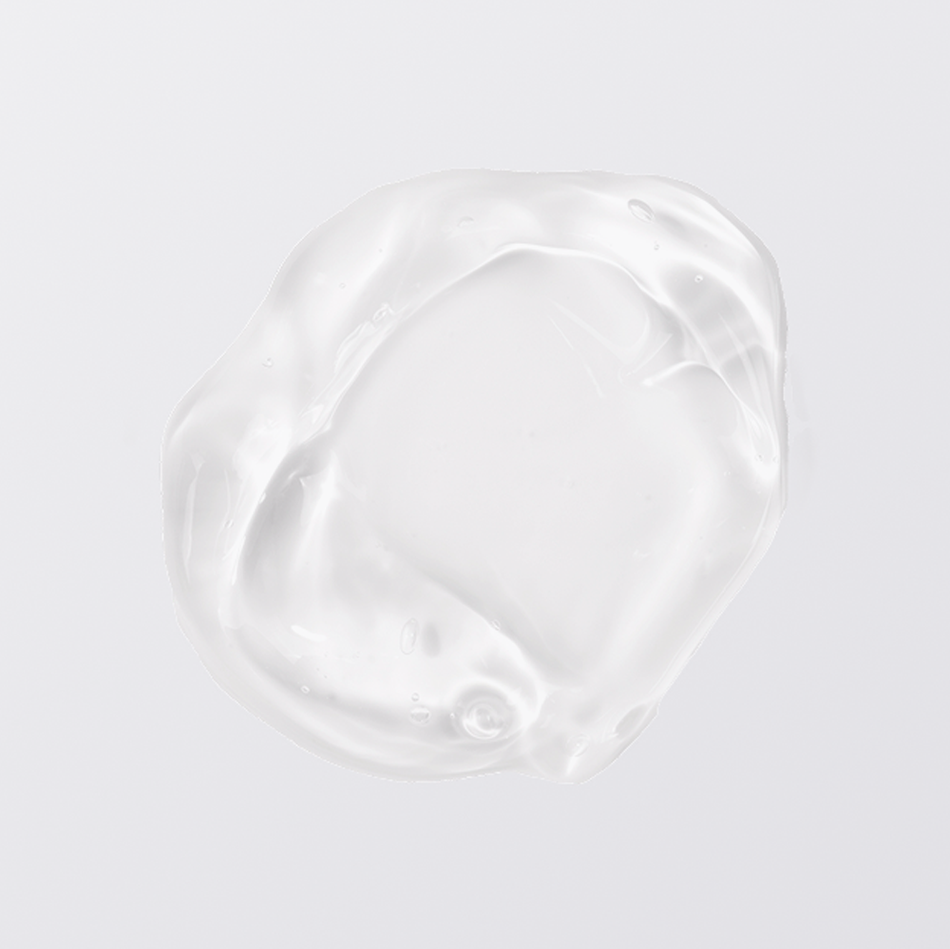
Naphtha is a type of liquid obtained when crude oil is refined; it's transparent in appearance, and you'll almost never encounter it directly in daily life. Yet it is the fundamental raw material behind virtually every petrochemical product — plastics, synthetic fibers, synthetic rubber, paints, detergents, and more.
When naphtha is cracked at high temperatures, it yields basic chemicals such as ethylene, propylene, and benzene, from which plastic resins like polyethylene (PE) and polypropylene (PP) are made.
⚠️ The reality of Japan's naphtha procurement
Of the naphtha used in Japan, about 80% originates from the Middle East (combining direct naphtha imports with the portion refined domestically from Middle Eastern crude). And because naphtha is highly volatile and hazardous, there is almost no domestic stockpile. According to the Japan Petrochemical Industry Association, naphtha inventory itself amounts to only about 2–3 weeks' worth.
According to reporting by Toyo Keizai, naphtha crackers are expected to keep running — just barely — through April, but securing supply after the Golden Week holidays will depend on each company's procurement efforts. The chairman of the Japan Petrochemical Industry Association also noted that a full blockade of the Strait of Hormuz was something the industry had essentially never experienced — an unprecedented situation.
If naphtha runs short, "upstream" plastic-resin production falls first; that ripples down to "downstream" container makers, and ultimately leaves cosmetics manufacturers unable to make products — a chain reaction.
4. Impact on cosmetics makers — price hikes and supply uncertainty
Concrete effects are already being reported overseas.
🇰🇷 Yonwoo (South Korea, cosmetic-container maker)
This company, which supplies containers to K-beauty firms such as L'Oréal and Amorepacific, is scrambling to secure the plastic resin needed to produce skincare and cosmetics jars, and reportedly has no clear procurement outlook from June onward.
🇰🇷 South Korean plastic-film factory
At one long-established factory, suppliers have raised the price of some raw materials by up to 50%, while other materials are out of stock — forcing production down to 20–30% of normal.
🇯🇵 Domestic plastic manufacturer
At RP Tohplas, which makes items such as egg cartons, raw-material prices have risen by about 40%. The company has voiced caution: it can maintain output on 2–3 months of inventory, but in some cases production lines may be affected.
These effects aren't limited to cosmetics, but cosmetics are especially dependent on plastic containers. No matter how much of the contents you can make, without containers to put them in you can't ship a finished product — this "container bottleneck" is the point drawing the most attention in the current crisis.
Even during the raw-material price surge of 2022–23, the cosmetics industry saw a string of price increases. This time the rise in crude oil prices is even larger, with the new factor of physical supply shortages on top. Beyond price hikes, the risks of stockouts and delayed shipments are becoming a real possibility.
5. Three impacts on salon businesses
So what actually changes for salon owners? The effects fall broadly into three.
Impact ① Higher prices on purchased products
When manufacturers face higher costs for raw materials, containers, and logistics, those costs get passed on to wholesale prices. Survey data shows more than 70% of salon operators say rising purchase prices are affecting their business — cost increases hit salon operations directly. At the same time, data indicates 71% of salons keep their prices unchanged for fear of losing customers, raising concerns about squeezed profit margins.
Impact ② Stockouts & delayed shipments
Production adjustments by manufacturers due to container shortages mean a risk that certain products temporarily become unavailable. The impact may appear especially early for brands that rely on overseas manufacturing or imported ingredients. It's worth preparing for situations where your usual shampoo or color agent shows up as "out of stock at the manufacturer."
Impact ③ Rising utility costs
Because beauty salons use a lot of water and hot water, utilities make up a large share of operating costs. Under the fuel-cost adjustment system, rises in crude oil and LNG prices flow through to electricity bills with a 3–5 month lag. The impact of the current oil-price surge is expected to start showing in electricity bills from as early as June usage (billed in July). And since government subsidies for electricity and gas ended in April, it could be a double blow.
6. A rough timeline of when the impact will hit
"When will the impact start?" is probably the biggest question. These are estimates only, but here's a summary based on past cases and current reporting.
| Period | Expected impact |
|---|---|
| Apr–May (now) | Naphtha crackers running right at the limit. Plastic-resin makers are drawing down inventory. Direct impact on salons still limited. |
| Jun–Jul | Fuel-cost surge begins appearing in electricity bills. Container makers' resin inventories start to run out, with possible production adjustments at some cosmetics makers. Manufacturers begin announcing price increases. |
| Aug–Oct (watch closely) | Manufacturer price revisions reflected in wholesale prices. Stockouts and delayed shipments of specific products surface. Rising electricity and gas costs push up salon fixed costs. |
| Late 2026 onward | If the blockade drags on, structural cost increases across the whole supply chain become entrenched. Multiple rounds of price revisions are possible. |
* The above are general estimates only. They may change significantly depending on when the strait reopens, each manufacturer's inventory situation, and government countermeasures.
7. What you can do as a salon owner
We can't change international affairs, but by knowing the situation and acting early, we can keep the impact to a minimum.
✅ Check your inventory of staple products
Take a fresh look at the staples essential to your services — everyday shampoo, color agents, styling products — and build a purchasing plan with some buffer. In particular, consider stocking up early on products that depend on overseas brands or imported ingredients.
✅ Research alternatives in advance
To prepare for a possible stockout, it helps to know alternative candidates for the products you normally use. Listing domestically produced options in the same category means you won't be caught off guard when the time comes.
✅ Be ready to "explain" a price increase
If you do need to revise menu prices, being able to explain to customers specifically why makes all the difference. Instead of "raw-material costs are up because of world affairs," saying "a strait in the Middle East is blockaded, so the plastic resin used to make shampoo bottles is in short supply" is far more convincing.
✅ Review your utility costs
With electricity bills set to rise, now is also a good time to review your power contract and energy-saving measures. Switching to LED lighting, running air conditioning efficiently, using timer-equipped equipment — start with what you can.
8. Summary
The blockade of the Strait of Hormuz may, at first glance, seem unrelated to running a salon. But because cosmetics depend so heavily on petroleum, the impact reaches salon operations after a lag of several months.
No one knows when this crisis will subside. What's certain is that the beauty industry is in a situation where price increases could begin at any time. We at BI-PRO are also in a position where we'll have no choice but to respond if manufacturers revise their prices.
That's exactly why we hope this can serve as one input as you consider the timing of purchasing the products you need — with world affairs in mind.
If you have any concerns about inventory status or the future price outlook, please feel free to get in touch.
Concerned about product stock and prices?
Feel free to reach out about current inventory and the outlook ahead.
Browse products at BI-PRO →* This article is intended to provide information based on reporting and publicly available information as of April 3, 2026. It does not recommend the purchase of any specific product. The situation is changing rapidly and may differ from the latest circumstances.